Winter-Proof Your Property: Essential Fencing Solutions for Cold Climates Apr 02, 2026
Winter can be particularly harsh on fences, causing damage that can be costly to repair. Fortunately, there are proactive steps you can take to protect your investment. First, let's consider the material of your fence. If you are considering installation or replacement, materials like vinyl and metal are excellent choices. Vinyl fences are resistant to moisture and cold, reducing the risk of cracking and warping. Similarly, metal fences, particularly those made of galvanized steel or aluminum, provide durability against heavy snow and ice.
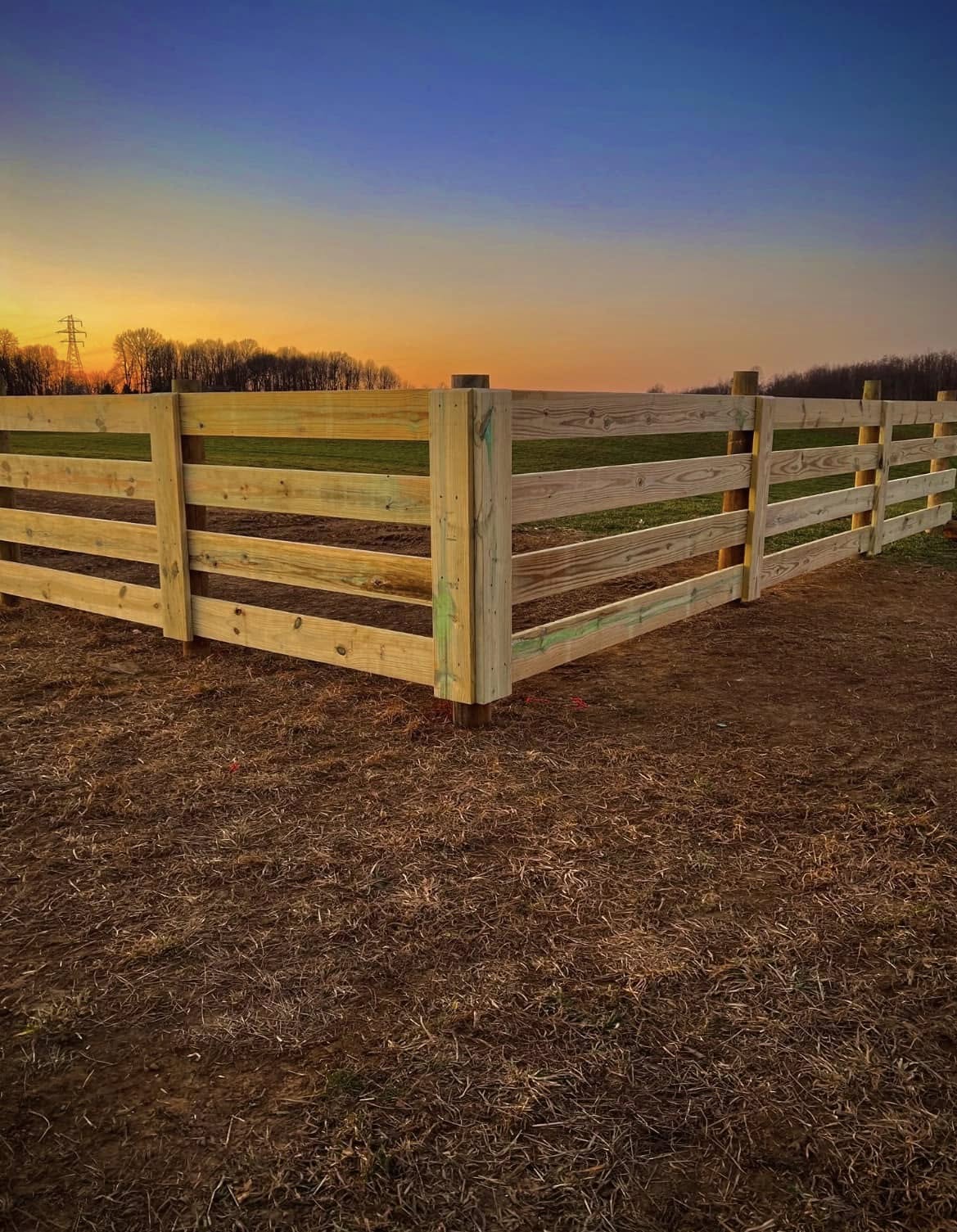
For those with existing wood fences, the winter months can be a testing time. Wood is susceptible to moisture absorption, leading to warping and rotting. An effective way to combat this is by applying a high-quality sealant before the first snow. Sealing your wood fence will create a barrier against moisture, reducing the risk of damage. Additionally, regular maintenance, such as tightening loose nails and replacing damaged boards, can greatly extend the life of your wood fence during the colder months.
Another critical factor to consider is the posts that anchor your fencing. In cold climates, the ground can shift due to frost heave, potentially causing your posts to become unstable. To prevent this, ensure your fence posts are installed below the frost line and secured with concrete. This depth provides stability and protects against the natural movement of the soil as it freezes and thaws.
Snow accumulation can also pose significant challenges. Consider investing in a fence with a smooth surface that prevents snow from piling up. Additionally, regular snow removal is crucial to prevent ice buildup that can lead to long-term damage. Use non-metal tools to gently remove snow, as metal shovels can scratch surfaces, compromising their weather-resistant properties.
Maintaining proper drainage around your fence is another preventive step. Accumulated water can freeze, causing expansion that can damage fence structures. Ensure that the area around your fence is graded properly, allowing water to drain away rather than pool near the base.
As you prepare for winter, it’s worth conducting a thorough inspection of your fencing. Look for signs of wear and tear that may be exacerbated by the cold, such as rust on metal, mold on wood, or cracks in vinyl. Addressing these issues proactively can save you money and hassle in the long run.
In conclusion, winterizing your fencing is an essential part of property maintenance in cold climates. By investing in durable materials, ensuring proper installation, regular maintenance, and protecting against moisture and snow, you can ensure that your fencing remains strong and resilient throughout the winter months. At Double H Fencing, we are committed to providing high-quality fencing solutions that stand the test of time, offering peace of mind during even the harshest winters. Whether you are looking to install a new fence or maintain an existing one, our team of experts is ready to assist in winter-proofing your property effectively.
/filters:no_upscale()/filters:format(webp)/media/4ef0eaee-8f42-48a5-a485-4fab8aee1b3d.jpeg)