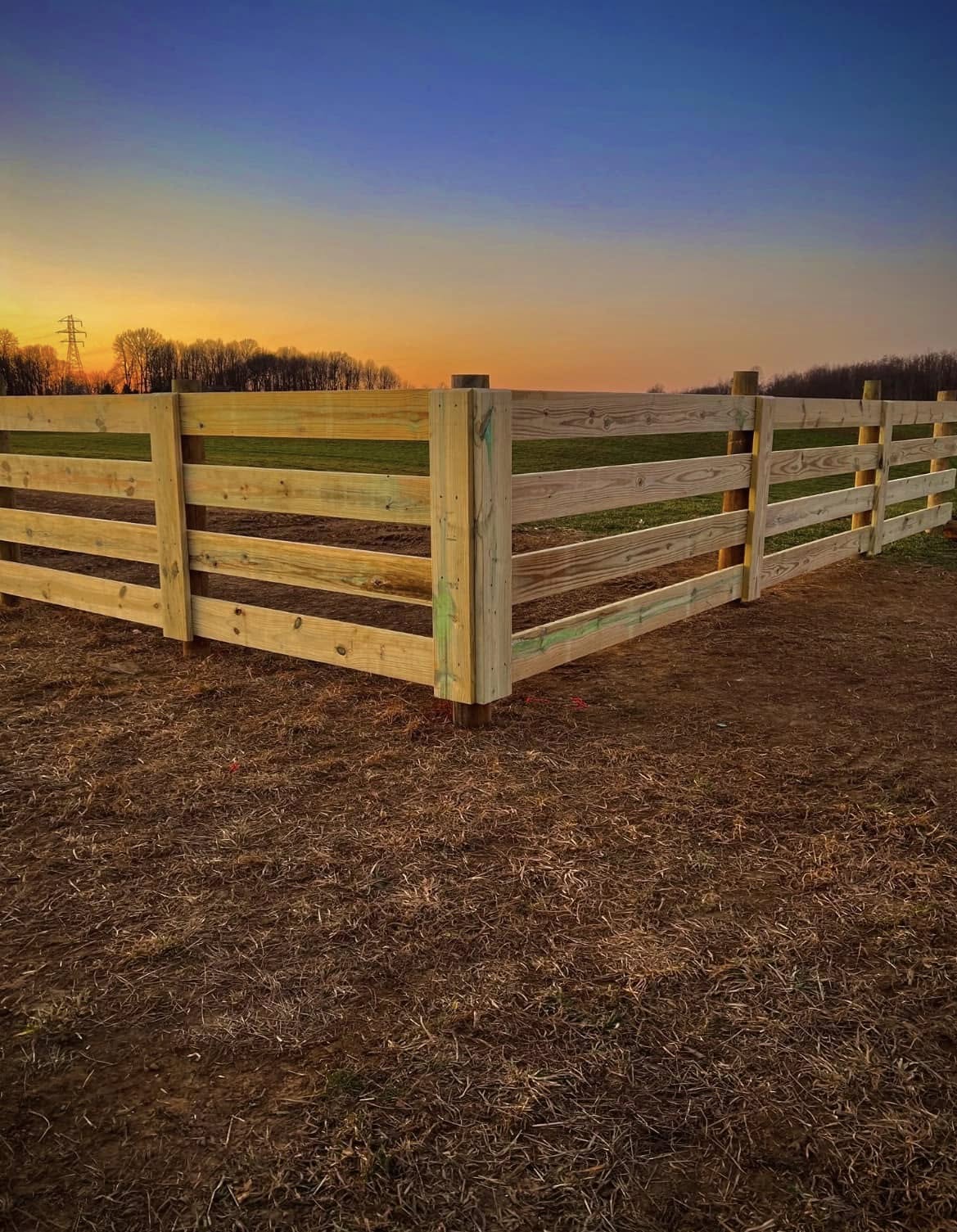
The Role of Fencing in Urban Wildlife Management and Preservation Jun 23, 2026
First and foremost, let's explore how fencing systems help in delineating spaces that cater to the needs of both urban populations and wildlife. In urban areas, high-density human activity often overlaps with natural habitats, leading to potential conflicts. Fencing can help mitigate these issues by creating clear boundaries, ensuring that wildlife has designated areas to inhabit. This segregation not only protects human spaces from wildlife intrusion but also safeguards animals from human threats, such as traffic and construction activities.
One of the key contributions of fencing in urban wildlife management is the promotion of safe corridors. These corridors are essential for the movement of species within fragmented city landscapes. By strategically placing fences, urban planners can guide wildlife to necessary resources such as water sources or feeding areas, reducing the risk of accidents or human interference. This is particularly crucial for migratory species that rely on specific pathways throughout different seasons. Well-designed fencing can help ensure that these natural movements are maintained without disruption.
Fencing is also beneficial in protecting sensitive habitats from human disturbances. Areas such as wetlands, forests, and grasslands within urban settings serve as vital sanctuaries for a diverse array of birds, mammals, and insects. By establishing protective barriers, these ecosystems can thrive without the threat of human encroachment, pollution, or illegal dumping of waste materials. At Double H Fencing, we emphasize using environmentally friendly materials that blend seamlessly into the natural surroundings, thus minimizing the visual impact and preserving the integrity of these habitats.
In addition to physical barriers, fencing solutions can integrate technology to enhance wildlife management efforts. For instance, incorporating wildlife monitoring systems into fences can provide valuable data on species movements and behaviors. This information can inform future urban planning decisions, ensuring that the needs of wildlife are adequately considered in development projects.
As part of our commitment to sustainable and effective urban wildlife management, Double H Fencing offers consultations to assess and implement fencing solutions tailored to specific environmental and community needs. Our team is dedicated to designing fences that not only solve immediate challenges but also contribute to the long-term preservation of urban biodiversity.
In conclusion, fencing plays a critical and multifaceted role in urban wildlife management and preservation. It offers practical solutions for both safeguarding wildlife and enriching urban environments. By carefully planning and implementing fencing strategies, cities can create spaces where nature and urban life coexist harmoniously. At Double H Fencing, we are passionate about playing an active role in this important endeavor, ensuring that as our cities evolve, so too does our relationship with the natural world around us.
/filters:no_upscale()/filters:format(webp)/media/4ef0eaee-8f42-48a5-a485-4fab8aee1b3d.jpeg)