How to Select the Perfect Fence for Pet Safety with Double H Fencing Jan 25, 2026
First, consider your pet's size, behavior, and needs. If you have a small dog, a shorter fence may suffice, but remember that some smaller breeds are notorious for their jumping and tunneling abilities. Larger dogs typically require a higher fence to prevent them from leaping over. For energetic dogs that love to dig, installing a barrier that extends below ground level could be essential to avoid escape artists.
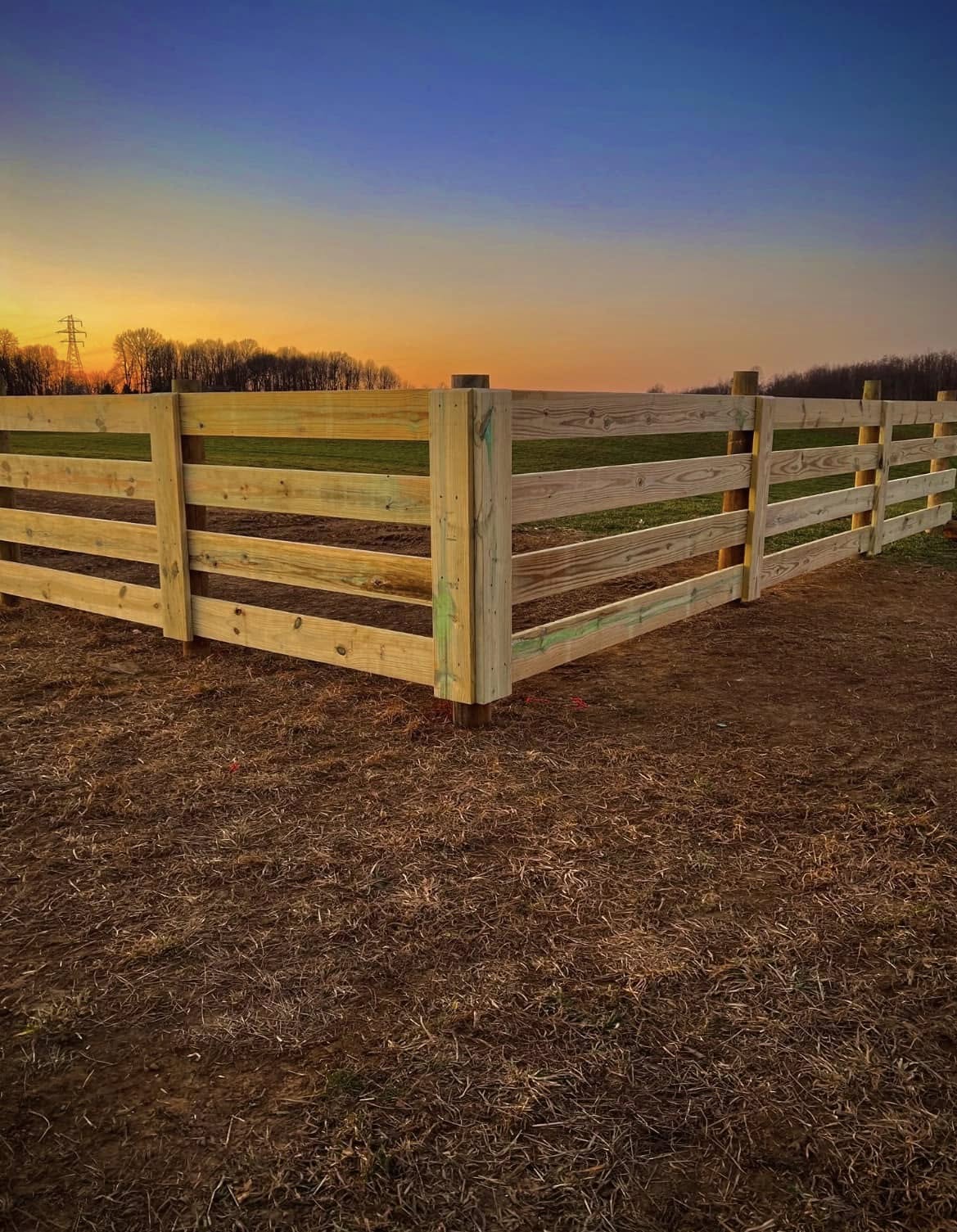
Material choice is another important factor. Wood fences are a popular choice due to their robust nature and versatility in design. They offer excellent privacy and security. However, wood requires regular maintenance to prevent rot and insect damage. Alternatively, chain-link fences are durable and require little maintenance. They're a practical choice for those looking for an affordable option, but they may not offer the same aesthetic appeal or privacy as other types.
Vinyl fencing is an increasingly popular option for pet owners who want a virtually maintenance-free solution. Vinyl is strong, weather-resistant, and available in a range of styles and colors to suit any home exterior. However, it's essential to ensure that the fence is installed correctly to prevent gaps where pets could potentially escape or get stuck.
For those seeking to combine style with practicality, wrought iron or aluminum fencing can be excellent choices. They are sturdy, elegant, and less prone to damage, but make sure the space between the bars is narrow enough to prevent pets from squeezing through.
When considering the layout of your fence, think about visibility and ventilation. Pets who enjoy observing the world might benefit from a fence that offers views, such as wrought iron or chain link, while those that get easily stimulated might fare better with a solid wood or vinyl fence that limits visibility.
Additionally, consider including a double-gate system. This extra layer of security can prevent pets from dashing out when the gate is opened. Automatic gates might also be worth considering as they combine convenience with security, reducing the chance of human error leading to a pet escape.
Don’t forget about the top of the fence. For households with climbing pets, adding fence toppers or leaning inward extensions can prevent scaling. This is especially useful for cat owners or owners of particularly agile dogs.
Finally, it’s not just about containment. Integrate features that enhance your pet’s enjoyment of their space. Privacy screens can protect against harsh weather and create an enriching environment tailored to your pet’s needs.
As a final note, always verify your local regulations before installing any type of fencing to ensure compliance with any legal requirements or neighborhood guidelines.
At Double H Fencing, our experts are here to help you design the perfect pet-friendly fence. We provide a comprehensive range of fencing services tailored to meet your specific needs. Contact us today to learn more about how we can help create a safe, secure, and happy environment for your beloved pet.
/filters:no_upscale()/filters:format(webp)/media/4ef0eaee-8f42-48a5-a485-4fab8aee1b3d.jpeg)