Expert Tips for Maintaining Your Fence Year-Round Feb 23, 2026
Start by conducting regular inspections. Regular inspections are invaluable in maintaining the longevity and functionality of any fence. It's essential to walk along the fence line at least once each season to check for damage or wear. Look for rotting wood, rusting metal, or cracking vinyl. Early detection is key to addressing small issues before they become expensive repairs.
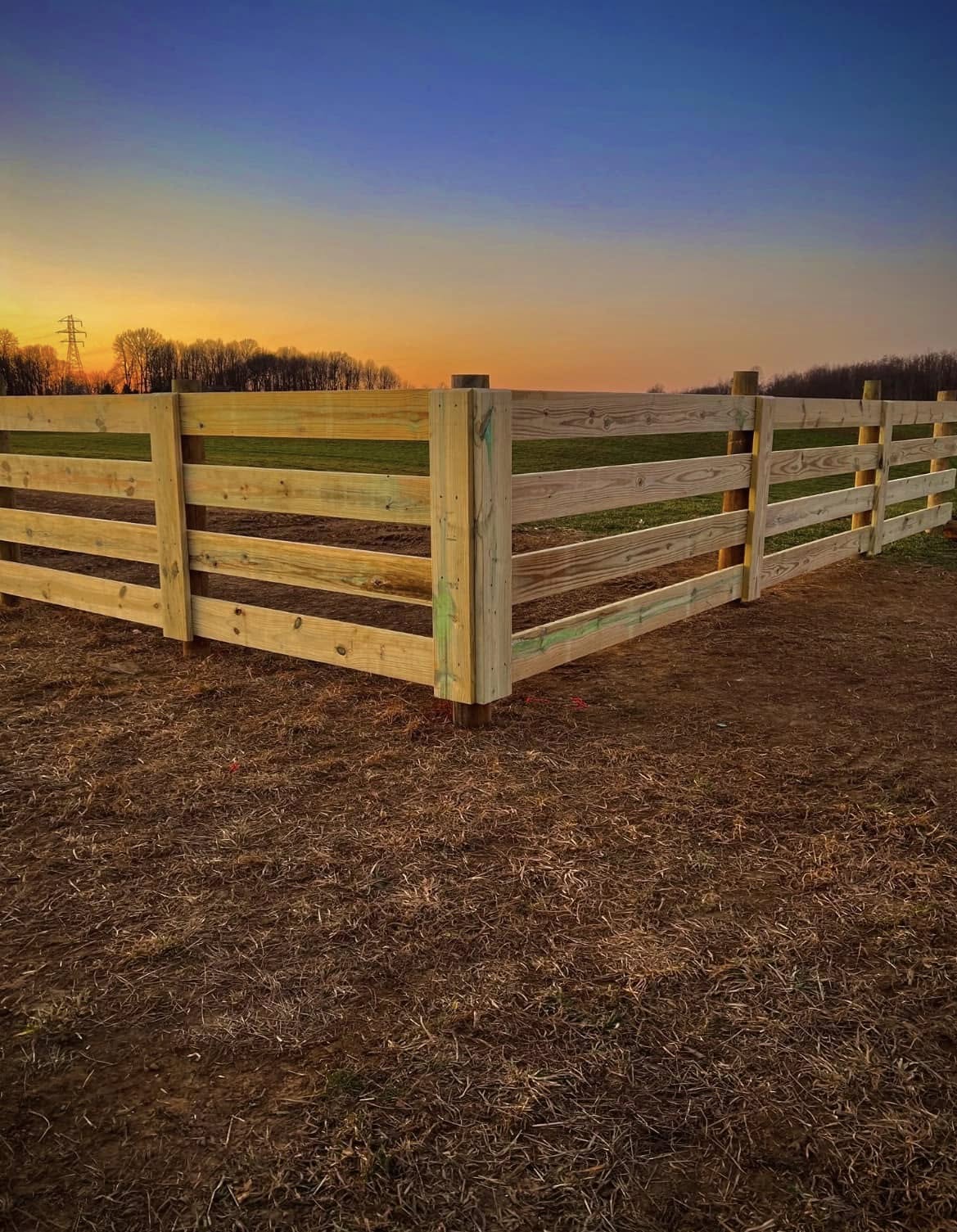
Wooden fences demand a specific set of maintenance steps. To protect a wooden fence from the elements, apply a sealant or stain every few years. This protective layer prevents water damage and decreases warping and splitting. In areas with heavy rainfall or snow, it's crucial to ensure that your wooden fence is angled correctly to allow water to drain away from its base. Keeping an eye out for termites and treating any infestations promptly can also prevent significant damage.
Vinyl fences, while lower maintenance compared to wood, still benefit from routine care. Cleaning a vinyl fence with a simple solution of water and mild soap can keep it looking fresh and remove any build-up of dirt or mildew. It’s important to avoid using abrasive materials to prevent scratches on the vinyl’s surface. Also, be cautious during winter months; heavy snow build-up can put pressure on your vinyl fence, so clear snow regularly to avoid damage.
Metal fences, such as those made from iron or aluminum, require careful attention to rust and corrosion. To maintain a metal fence, start by applying anti-rust paint or a protective coating to keep rust at bay. If rust spots do appear, use a wire brush or sandpaper to remove them before touching up the area with paint. Regularly check for and tighten loose bolts or fittings, as these can compromise the structural integrity of your fence if left unattended.
One often overlooked aspect of fence maintenance is landscaping. Keep plants, bushes, and grass trimmed away from the base of your fence. When landscaping grows too closely, it can trap moisture and foster decay or corrosion. Mulch and soil should be kept from direct contact with the fence to minimize the risk of water damage. Consistent trimming and edging can not only extend the life of your fence but also enhance the overall appearance of your yard.
Weatherproofing is another critical factor in fence maintenance. Regardless of the material type, ensuring your fence is well-prepared for seasonal changes is crucial. In winter, applying barriers or windbreaks can protect against strong winds and heavy snow. In the fall, clear leaves and debris from your fence’s base to prevent moisture retention.
Concluding, maintaining your fence requires a proactive approach. Regular inspections, proper cleaning, and appropriate protective measures can extend the lifespan of your fence while keeping it aesthetically pleasing. By following these expert tips, you can ensure that your fence remains a robust and inviting boundary for your property. For any significant repairs or installations, consider reaching out to professionals like Double H Fencing to provide specialized services tailored to your fence’s needs. By investing time and effort into maintenance, your fence will offer long-lasting protection and beauty all year round.
/filters:no_upscale()/filters:format(webp)/media/4ef0eaee-8f42-48a5-a485-4fab8aee1b3d.jpeg)